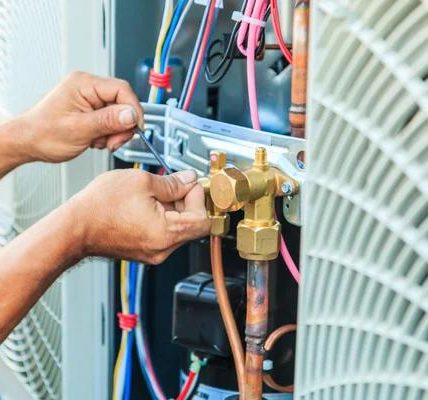
What to Expect During a Water Heater Installation

Installing a new water heater is an important home improvement task that requires careful planning and professional expertise. When you schedule a water heater installation, it’s helpful to understand what the process entails so you can be prepared and ensure everything goes smoothly. The first step typically involves an initial assessment by the technician, who will evaluate your current system, measure available space, and discuss your hot water needs. This evaluation helps determine the right size and type of water heater for your household, whether it’s a traditional tank model or a more energy-efficient tankless option.
On the day of installation, the technician will arrive with all necessary tools and equipment. They begin by turning off the power supply or gas line to prevent any accidents during removal of the old unit. Draining the existing water heater is essential to avoid spills or leaks while disconnecting plumbing lines. Once drained, they carefully detach pipes and electrical connections before removing the old appliance from its location.
Next comes preparing the area for the new unit. This may involve minor adjustments such as repositioning pipes or installing additional supports if required by local building codes or manufacturer specifications. Proper venting is crucial for gas-powered models to safely expel combustion gases outside; therefore, ensuring vents are clear and properly connected is part of this stage.
The new water heater is then positioned in place with precision to allow easy access for future maintenance tasks like flushing sediment buildup or replacing components. Technicians reconnect plumbing lines using appropriate fittings and sealants to prevent leaks under pressure. Electrical wiring or gas connections follow strict safety standards; professionals test these systems thoroughly before proceeding further.
Once all connections are secure, filling up the tank with water begins slowly while checking for any signs of leakage around joints or valves. For electric heaters, restoring power happens only after confirming there are no hazards present; gas units require ignition testing along with monitoring flame stability throughout startup procedures.
Finally, technicians explain how to operate your new system efficiently and answer any questions regarding maintenance schedules or warranty details you should keep in mind moving forward. Depending on complexity, installations generally take between two to four hours but can vary based on factors like accessibility and model type chosen.
Understanding each phase helps homeowners feel confident about their investment in reliable hot water service without unexpected delays or complications during installation day itself.
Service Squad
680 E Colorado Blvd, Suite 180, Pasadena, CA 91101
626-333-6519